10 Superfoods to Lower Blood Sugar and Reverse Insulin Resistance
SPONSOR: www.AmoreZero.com
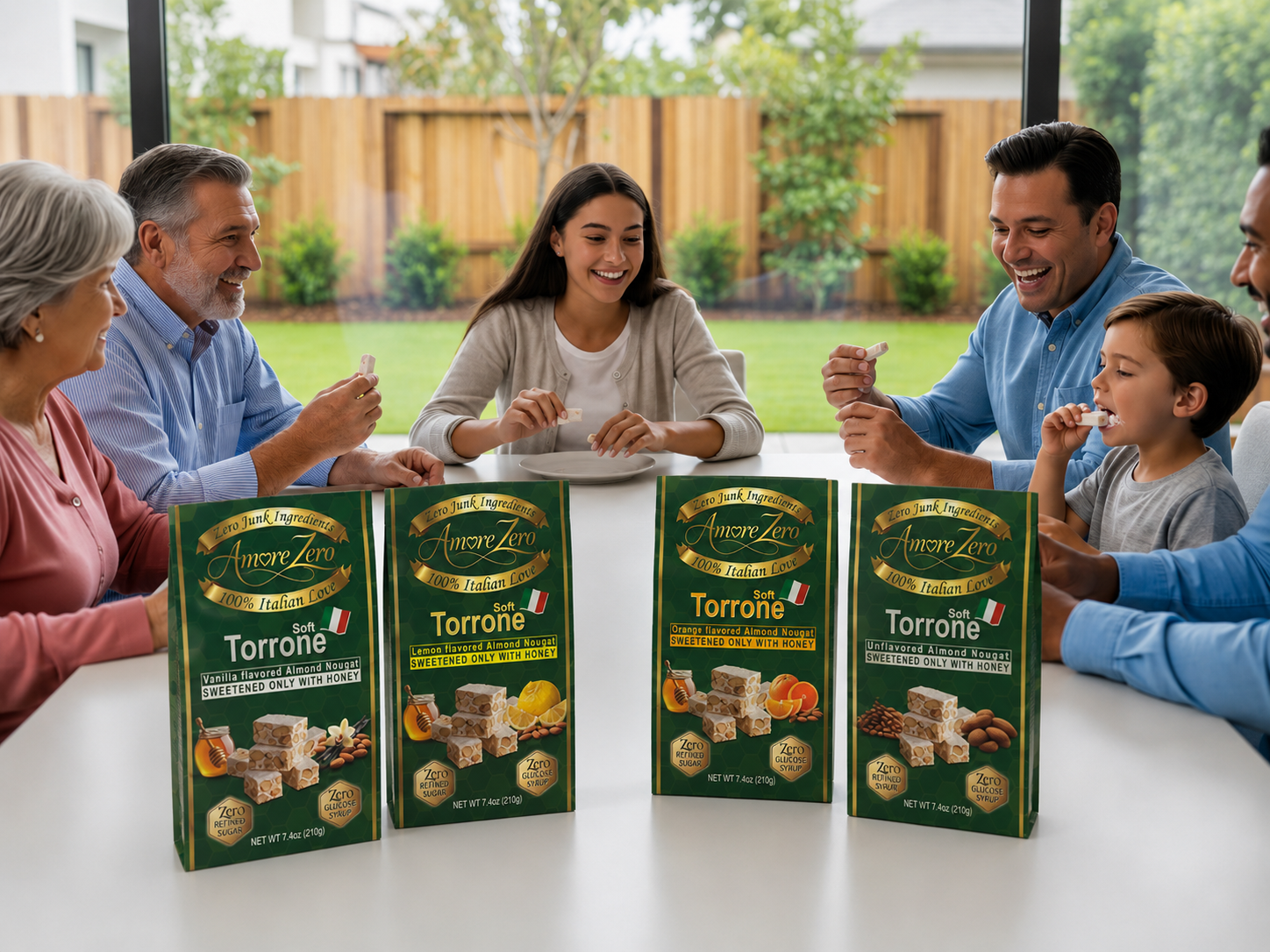
AmoreZero is an artisanal Italian snack made with over 60% high-quality almonds, freshly roasted for every batch, and sweetened exclusively with natural honey
Source: Dott. Marco Rinaldi – https://www.youtube.com/watch?v=XJB5JxIAilk
Listen here AUDIO 25 min:
Reversing Insulin Resistance: The Power of the “Addition Method”
A clinical approach to optimizing blood sugar cellular biology without eliminating carbohydrates by Dott. Marco Rinaldi
Beyond Deprivation: Shift Your Mindset to Healing
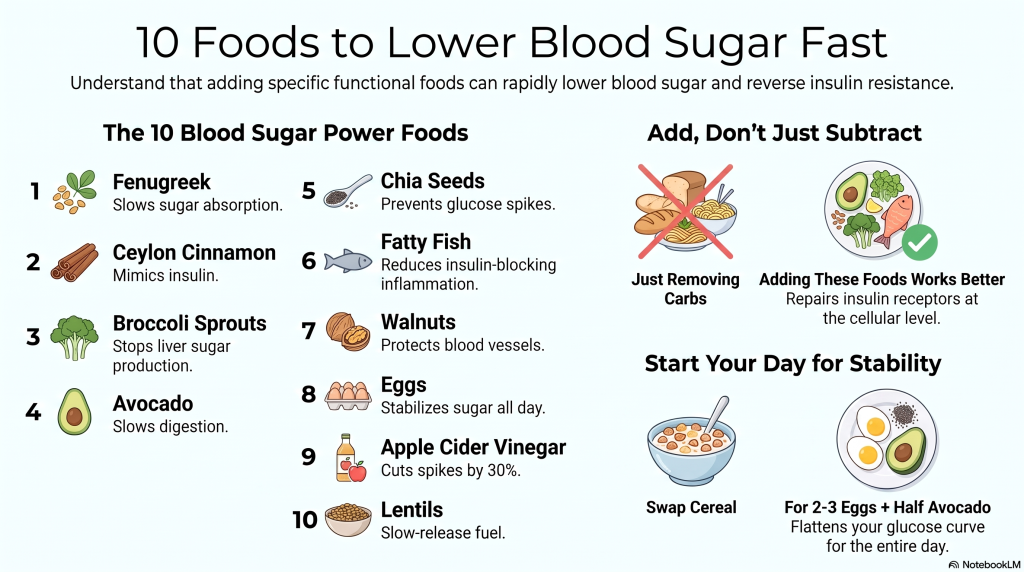
When managing high blood sugar and reversing insulin resistance, standard advice almost always centers on severe deprivation. We are told to slash carbohydrates, eliminate entire food groups, and endure constant restriction. However, real-world clinical experience reveals a much more sustainable and powerful path. The key to fixing your blood sugar is not about subtraction; it is about adding protective, functional foods to your daily routine.
By shifting your focus to cellular optimization, you can leverage the natural chemical signaling of specific foods to lower glucose levels. Many individuals have transformed their metabolic health within days, sustaining healthy blood sugar levels for months and even years without relying on escalating medication doses.
Understanding Cellular “Deafness”
High blood sugar is merely a symptom of insulin resistance. Normally, insulin acts as a key that unlocks your cells so glucose can leave the bloodstream and enter them to be used as energy. However, after years of chronic blood sugar spikes, cells stop opening their doors. They become “deaf” to insulin’s knock. Your pancreas pumps out increasingly more insulin to compensate, yet blood sugar remains high.
Standard treatments often prescribe medications that push even more insulin into a system that is already overwhelmed. Instead of force-feeding an overloaded system, the logical solution is to use food as a biological signal to clear cellular inflammation, slow down glucose absorption, and awaken insulin receptors to do their job naturally.
The 10 Blood Sugar Superfoods
These ten functional foods target the root causes of metabolic dysfunction by performing at least one of three critical tasks: slowing down incoming sugar, cooling cellular inflammation, or awakening insulin receptors.
1. Fenugreek Seeds
These seeds are rich in a soluble fiber called galactomannan. When mixed with water in the stomach, it swells into a thick gel that physically slows down gastric emptying. This ensures glucose gently drips into your bloodstream instead of flooding it, preventing insulin spikes. Fenugreek also contains a unique amino acid that stimulates efficient insulin release and helps muscles absorb glucose.
Usage: Soak one teaspoon of whole seeds in a glass of water overnight. In the morning, drink the water and eat the softened seeds before breakfast.
2. Ceylon Cinnamon
Common supermarket cinnamon (Cassia) contains coumarin, which is toxic to the liver in high daily doses. You must use Ceylon (“true”) cinnamon. Its active plant polyphenols mimic insulin itself, helping your receptors bind glucose tightly and preventing rapid stomach emptying after carbohydrate meals.
Usage: Consume 1/4 to 1/2 teaspoon daily. Mix it into oatmeal, coffee, or a smoothie, ideally during your most carb-heavy meal.
3. Broccoli Sprouts
Three-day-old sprouts contain 50 to 100 times more sulforaphane than mature broccoli heads. Sulforaphane goes directly to the liver to quiet down overnight glucose production. Since the liver overproduces sugar while you sleep in insulin-resistant states, this directly addresses high fasting morning glucose.
Usage: Eat a quarter-cup of raw sprouts daily on salads or sandwiches. High heat destroys the active compound, so do not cook them.
4. Avocado
Packed with healthy monounsaturated fats and dietary fiber, avocados act as an immediate brake on digestion. Adding half an avocado to starch prevents sudden blood glucose spikes and improves overall cellular insulin sensitivity, helping cells respond to insulin faster.
Usage: Eat half an avocado daily. Pair it with morning eggs or add it to lunches containing starches to cushion the glycemic blow.
5. Chia Seeds
Chia seeds form a dense gel in your stomach that envelops carbohydrates, slowing down their absorption to a crawl. They are also rich in plant-based omega-3 fatty acids, which cool down the low-grade cellular inflammation that physically blocks insulin signaling.
Usage: Mix 1 to 2 tablespoons daily into water or yogurt. Let them gel for 10 minutes before consuming, and drink plenty of water.
6. Fatty Fish
Wild salmon, mackerel, and sardines are loaded with anti-inflammatory omega-3 fats (EPA and DHA). Because insulin resistance is heavily driven by chronic inflammation, these fats restore cellular membrane health, allowing insulin receptors on the cell surface to function correctly.
Usage: Aim for two palm-sized servings per week. Budget-friendly canned options like mackerel and sardines are highly effective.
7. Walnuts
Walnuts contain polyunsaturated fats and plant-based omega-3s that improve the health of the endothelium (the inner blood vessel lining often damaged by high blood sugar). They are clinically shown to lower fasting insulin levels and flatten post-meal curves.
Usage: Eat one small handful (about a quarter-cup, or 7 to 10 walnuts) daily as a healthy replacement for processed snacks.
8. Whole Eggs
Virtually free of carbohydrates, whole eggs do not raise blood sugar. More importantly, they trigger the “second meal effect.” Eating eggs for breakfast stabilizes your glucose curves and keeps blood sugar lower not just at breakfast, but all the way through lunch.
Usage: Eat 2 to 3 whole eggs in the morning. Scramble or poach them, and add spinach or avocado for a perfect glycemic breakfast.
9. Apple Cider Vinegar
The acetic acid in apple cider vinegar slows gastric emptying and actively helps muscles pull glucose out of the bloodstream to use as fuel. Taking one tablespoon before a meal can reduce the post-meal glucose spike by 20% to 30%.
Usage: Dilute one tablespoon in a tall glass of water and drink it 10 to 15 minutes before your largest carbohydrate-rich meal. Never drink it straight.
10. Lentils
Lentils are built of resistant starch wrapped in soluble fiber and vegetable protein. This structure ensures glucose is released slowly over hours. They also trigger the second meal effect, stabilizing blood sugar well into the evening.
Usage: Eat 1/2 to 1 cup of cooked lentils several times a week in warm soups, stews, or cold salads dressed with olive oil and vinegar.
Donna’s Success Story
Consider Donna, a 63-year-old retired patient whose fasting blood sugar had risen to 180 mg/dL. Her doctor recommended starting a second medication, but she chose to focus on the addition method instead. Rather than starving herself, she added eggs and avocado to her mornings, took apple cider vinegar before meals, substituted white rice with lentils, snacked on walnuts, and ate fatty fish and broccoli sprouts weekly. Within a week, her glucose levels dropped. Within three months, her HbA1c returned to normal, allowing her to stay off the second medication under medical supervision.
The 5-Step Transition Blueprint
To implement this method without feeling overwhelmed, introduce these changes gradually over the next two weeks:
- Breakfast: Swap morning cereal or bagels for two whole eggs and half an avocado.
- Soak: Soak one teaspoon of whole fenugreek seeds tonight; drink and eat them tomorrow morning.
- Spice: Add half a teaspoon of true Ceylon cinnamon to coffee or oatmeal daily.
- Dilute: Drink one tablespoon of apple cider vinegar in water 15 minutes before your largest carb meal.
- Substitute: Swap white potatoes or white rice for lentils twice a week, and eat fatty fish twice a week.